Change Your Woodworking Experience: An Extensive Overview of Modern Equipment Options
Modern woodworking is developing with the intro of advanced machinery. CNC routers and laser cutters boost accuracy and performance, making them invaluable to woodworkers. These devices enable elaborate layouts while reducing waste. The selection process can be frustrating. Comprehending the essential features and how to incorporate these technologies right into typical methods is crucial. What factors should one consider when picking the ideal machinery? The answers may change a woodworker's method.
The Rise of CNC Routers in Woodworking
As woodworking continues to evolve, the development of CNC routers has actually transformed conventional practices into innovative manufacturing processes. These computer-controlled machines enable accurate cutting, shaping, and engraving of timber, greatly improving the effectiveness and accuracy of woodworking projects. Unlike hand-operated approaches, CNC routers can duplicate styles with regular high quality, decreasing the risk of human error.
The flexibility of CNC routers makes them suitable for a large range of applications, from intricate carvings to large manufacturing runs. They can deal with numerous materials and intricate geometries, providing to both hobbyists and professional woodworkers.
Additionally, the assimilation of CAD (Computer-Aided Design) software helps with the seamless shift from design to manufacturing, enabling faster project turn-around times. Because of this, CNC routers are ending up being increasingly popular, allowing woodworkers to press the limits of creative thinking while optimizing their workflow. This technical development notes a significant change in the woodworking landscape.
Discovering the Conveniences of Laser Cutters
A growing variety of woodworkers are discovering the benefits of laser cutters, which provide unrivaled precision and convenience fit wood and other materials. These equipments utilize extremely focused laser beams to cut, etch, and engrave layouts with exceptional accuracy, enabling intricate details that conventional techniques might struggle to attain. The capacity to rapidly create complicated patterns can greatly improve productivity, enabling artisans to complete projects in a fraction of the moment.
In addition, laser cutters produce very little waste, as the cutting process is specific and minimizes excess material. This effectiveness not only saves resources however also lessens expenses related to raw products. On top of that, their adaptability allows woodworkers to try out a variety of materials past timber, including acrylic and textile, broadening imaginative possibilities. Consequently, laser cutters are becoming important tools in modern-day woodworking, interesting both professionals and hobbyists wanting to elevate their craft.
Essential Attributes to Look for in Modern Tools
When choosing modern woodworking tools, 3 essential functions attract attention: precision, versatility, and sturdiness. Precision guarantees that every finish, joint, or cut is specific, causing professional-quality results. Tools that provide superb precision not just improve the craftsmanship yet additionally decrease waste, saving time and sources.
Toughness is essential for long life and regular efficiency. High-quality products and robust construction protect versus damage, allowing tools to hold up against rigorous use in various woodworking jobs.
Versatility allows a single device to execute numerous functions, making it a valuable addition to any workshop. Tools that can adjust to different jobs and materials raise performance and decrease the demand for excessive equipment.
Exactly how to Choose the Right Machinery for Your Tasks
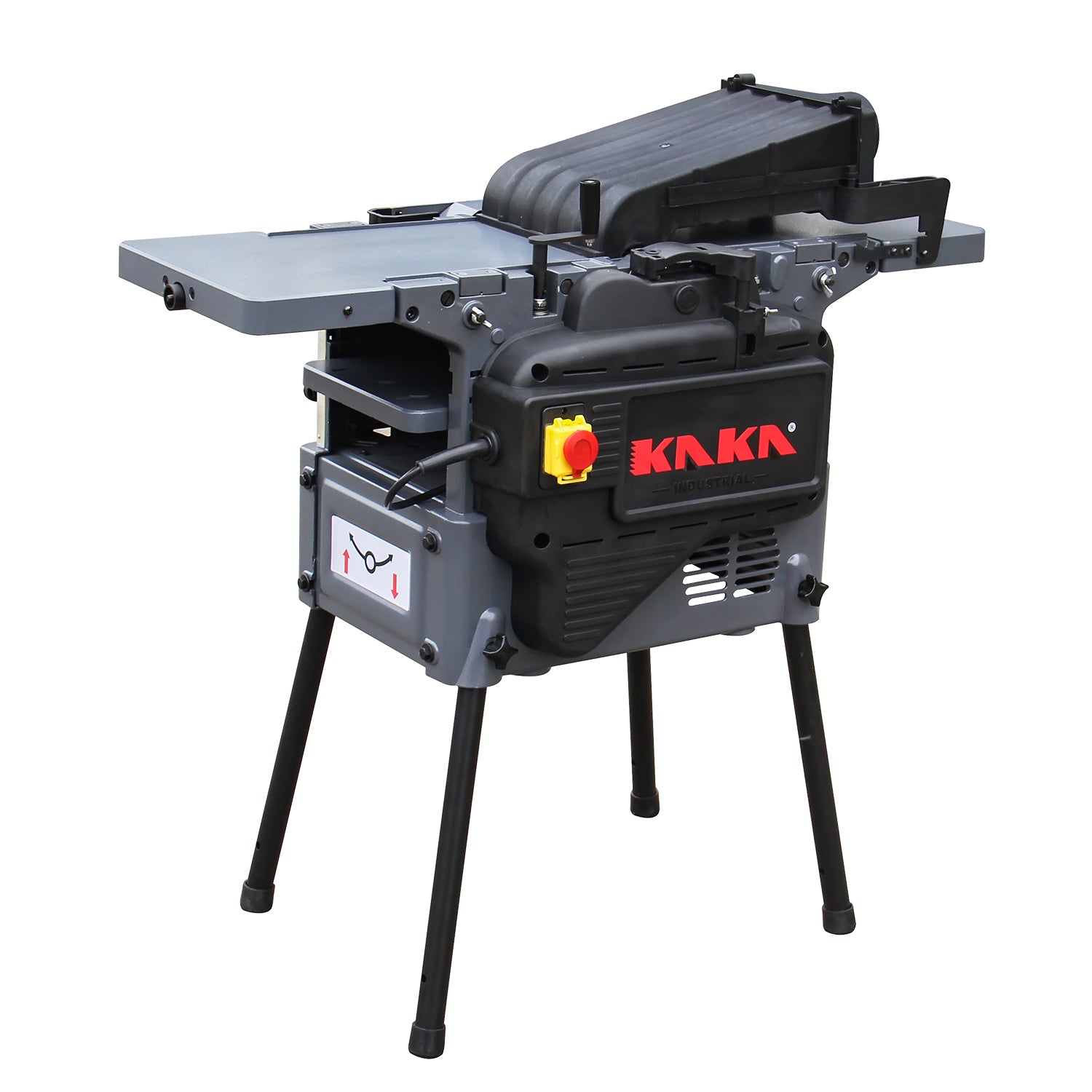
Furthermore, budget constraints often determine machinery selections. Top quality tools can be costly, yet purchasing reliable devices can improve productivity and result top quality.
Power demands and the accessibility of substitute components also warrant factor to consider, especially for long-term maintenance.

Tips for Integrating Innovation Into Conventional Woodworking Strategies
Integrating technology right into conventional woodworking methods can boost workmanship and performance. Woodworkers can begin by making Bonuses use of digital layout software application to develop specific plans and models, enabling more accurate cuts and joints. These programs can additionally facilitate the exploration of complex designs that might be difficult by hand.
Incorporating CNC machines can additionally improve production, making it possible for craftsmens to reproduce elaborate patterns with consistency. However, it is necessary to preserve the tactile experience of woodworking; combining CNC deal with hand-finishing strategies can generate remarkable results.
Embracing laser engraving tools enables customization and thorough decorations, adding a modern touch to typical pieces. Furthermore, using electronic calipers and laser degrees can boost measurements, guaranteeing greater precision in every job. By mixing these modern technologies with time-honored methods, woodworkers can preserve the creativity of their craft while accepting development.
Often Asked Concerns
What Is the Ordinary Life Expectancy of Modern Woodworking Equipment?
The average life expectancy of modern-day woodworking equipment normally ranges from 10 to twenty years, depending upon use, top quality, and maintenance. Automated Gluing. Normal servicing can expand this life-span, while forget may result in early wear and tear and breakdown
Exactly How Much Maintenance Do These Makers Usually Need?
Modern woodworking equipment commonly requires normal upkeep, my company consisting of cleansing, lubrication, and routine evaluations. This guarantees peak efficiency and long life, with most devices requiring thorough maintenance every six months to a year, depending upon usage strength.
Can I Make Use Of Typical Strategies With Modern Equipment?
Yes, typical strategies can be properly made use of together with modern-day machinery - Lumber Stacker. Many craftsmens blend both techniques, improving performance while preserving craftsmanship, enabling an unified combination of time-honored techniques with contemporary devices in woodworking tasks
What Safety and security Includes Should I Try To Find in Woodworking Makers?
When selecting woodworking equipments, one should focus on safety and security attributes such as blade guards, emergency quit buttons, anti-kickback devices, and dirt collection systems, making certain a safer working setting and reducing the risk of crashes throughout procedure.
Exist Funding Options for Buying Modern Woodworking Machinery?
Many producers and stores provide financing choices for buying contemporary woodworking machinery. These might include time payment plan, leasing contracts, and credit score choices, enabling customers to take care of prices while buying important tools for their woodworking jobs.
Modern woodworking is evolving with the intro of advanced equipment. When picking modern-day woodworking tools, three vital functions stand out: longevity, flexibility, and precision. The ordinary life-span of contemporary woodworking equipment generally varies from 10 to 20 years, depending on usage, high quality, and upkeep. Modern woodworking machinery commonly calls for regular upkeep, consisting of cleansing, lubrication, and routine inspections. Several suppliers and retailers offer financing alternatives for acquiring modern woodworking machinery.